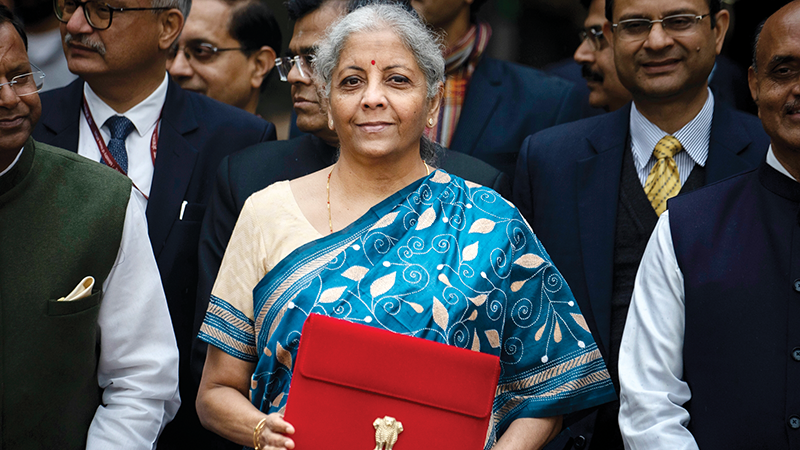


When the finance minister Nirmala Sitharaman rose to present her ninth budget, expectations were high that taking advantage of the country’s stable macroeconomic fundamentals she would go for
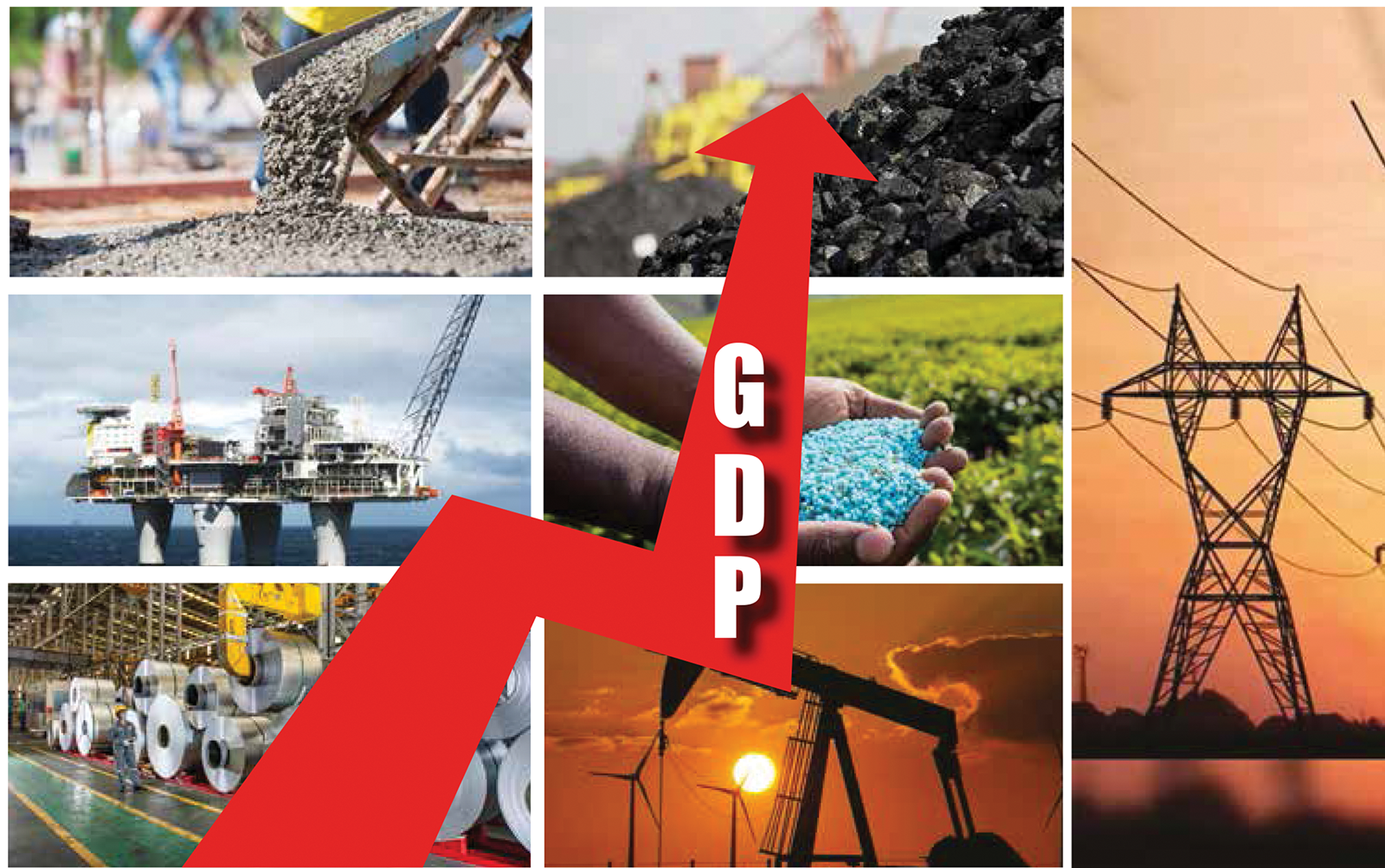
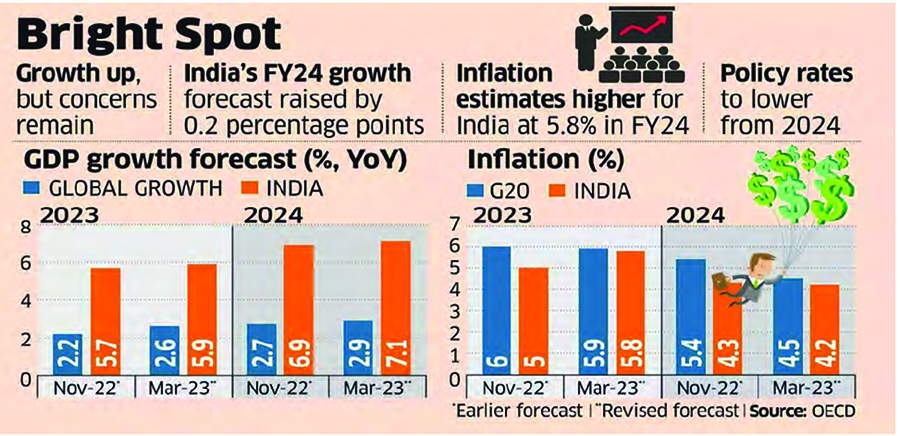
big-ticket reforms. The core inflation has come down; GDP is estimated to grow by 7.4% in 2025-26 – nearly one percentage point higher than the previous year, foreign direct investment has grown by over 12% in 2024-25 and total exports have grown by 4.3% during the first nine months of the current fiscal despite high tariffs imposed by the US, India’s biggest export market.
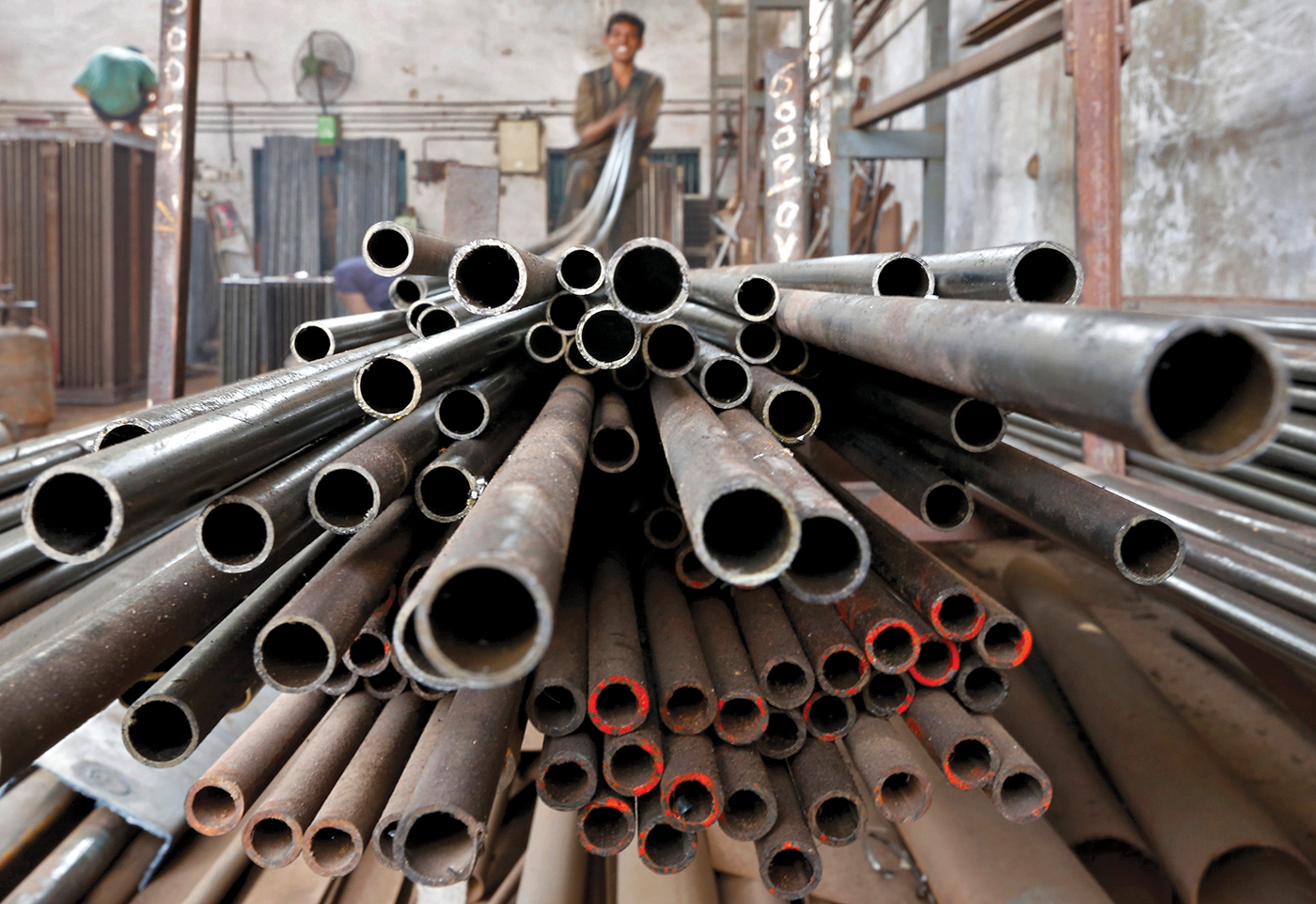
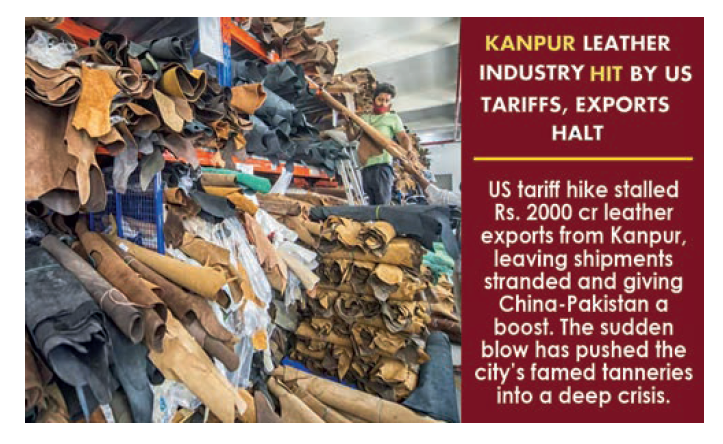
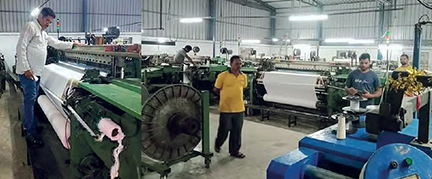
Sitharaman, however, chose to approach the broader economic template through various sectoral and issue-based measures, which taken together, aimed at pushing India’s growth over the medium term period. Given the geo-economic and geopolitical uncertainties this diffused approach is expected to be more effective than big bang reforms. Accordingly, FM avoided disruption in the current system and instead, took measures to boost the manufacturing sector along with various services sectors with specific provisions to help labour-intensive sector such as textiles and leather.
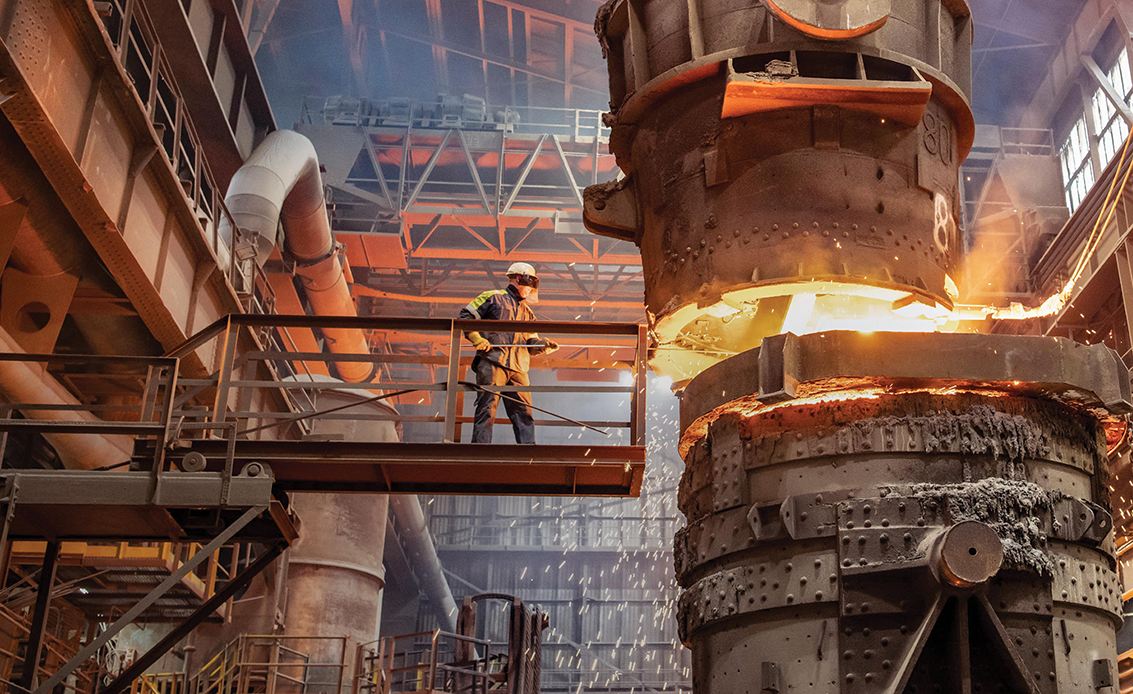
The Indian economy has done well in 2025-26 but there is a little room for complacency for the future, especially, in a period of global uncertainties. FM has not gone for big reforms but has paced a decisive bet on strengthening India’s manufacturing base, with a sharp focus on strategic sectors such as semiconductors, electronics, biopharma, rare earths, textiles, transportation, energy storage and capital goods to sustain growth momentum.
India's manufacturing sector has shown strong performance in recent months. The HSBC India Manufacturing PMI rose to 55.4 in January 2026 from 55.0 in December 2025. The momentum accelerated further in February 2026, reaching a four-month high of 57.5, driven by robust domestic demand, increased output, and rising new orders.
To meet future demand in a tech-driven world, the government announced India Semiconductor Mission (ISM) 2.0 to scale up domestic production of semiconductor equipment and materials, develop full-stack Indian IP, strengthen supply chains, and drive industry-led research and skilling.
The Electronics Components Manufacturing Scheme has also been expanded, with its outlay nearly doubling to Rs 40,000 crore. The Budget introduces Biopharma SHAKTI, with an outlay of Rs 10,000 crore over five years, aimed at positioning India as a global biopharma manufacturing hub.
The initiative will support biologics and biosimilars production, establish new research institutes, upgrade existing ones, create over 1,000 accredited clinical trial sites, and strengthen regulatory capacity to meet global standards.